Showing posts with label Lebanese. Show all posts

Saturday, April 10, 2010

Pascale Machaalani - Bhebbak Ana Bhebbak

Bhebbak Ana Bhebbak is Pascale's latest album, although the length would suggest a maxi single. The title song opens the album on a nostalgic note, and with a concert atmosphere. The song is repetitive, but Melhem Bou Shdid's arrangement holds the song together and is worth a listen even as background music. The album's strongest song is Sallemlak Albi, composed by Mohamed Yehia, the video for which was released this week. The song has simplistic arrangement that works coupled with a catchy chorus and Pascale's beautiful voice. Red Alayeh sounds just like most of her 2007 album, and even the beautiful ney solos aren't worth braving the five minute song. With the recent resurgence of dabke in pop music, Mahboubi Jnoubi was to be expected, but the song is easily forgotten. Habibi Gheir is another Bou Shdid composition, but mixes things up with some great bouzouk solos and strings which make the song very enjoyable. The album ends with Nafs El Makan, composed by Nader Nour, which is a standard Egyptian ballad. To say Pascale's 2009 return was underwhelming would be an understatement, but it's worth braving the mediocrity for some of the brighter spots on this album. It's safe to say that the excitement once associated with the release of a Pascale album has dissipated.

Image and video hosting by TinyPic

1. Bhebbek Ana Bhebbak (Nawi Trouh)
2. Sallemlak Albi
3. Red Alayeh (Wainak Ya Ghali)
4. Mahboubi Jnoubi
5. Habibi Gheir
6. Nafs El Makan

256 Kbps + Covers

Tuesday, March 23, 2010

Karol Sakr - 009

Perhaps one of 2009's most anticipated albums, Karol Sakr's 009 was finally released in May after months of delays. The change in style is evident with Tarek Abou Jaoudeh gone, and the focus shifts from ballads to pop songs. The album opens with Gheltan Ktir, a reworked version of Ajda Pekkan's Aynen Öyle, albeit credited to Jean Saliba. The song fits Karol's emotive voice perfectly, while Elie Barbar and Cem Erken's arrangement could have used some acoustic instruments. Bi Albi, composed by Hisham Boulos, is infectiously catchy and even the way the auto-tuner drowns Karol's voice works. The only complaints lie with the interlude's resemblance to Guru Josh's Infinity 2008, especially when the beautiful strings that end the song could have easily replaced it. For the first time, Karol has two Egyptian songs here, and Hadi Sharara gets more experimental with their arrangement. Ertah We Rayyahni is catchy pop, while the popular Eih El Gedid is a more R&B-influenced track. The songs most like Karol's previous album arrive in the middle, with Salim Salameh and Wissam El Amir's songs. Jerh Ghiyabak, the first only single from the album, is in classic Hadi Sharara ballad form sans the focus on strings. We Btes'al Shou Beni is a more laidback ballad, but finally ushers in more real instruments with beautiful accordion solos and strings. Ha'ak Alayeh continues the trend and adds a bouzouk to the mix, in a catchy jazz-influenced number. Melhem Barakat returns with a very different song from Da'et Albak. Horr Tsadde'ni has a much more traditional approach, and while the instrumentation is beautiful, you can't help but feel that the song would have been better suited to Najwa Karam or Melhem himself.

Image and video hosting by TinyPic

1. Gheltan Ktir
2. Bi Albi
3. Ertah We Rayyahni
4. Eih El Gedid
5. Jerh Ghiyabak
6. We Btes'al Shou Beni (Ma'i Ou Mish Ma'i)
7. Ha'ak Alayeh
8. Horr Tsadde'ni
9. Gheltan Ktir (Extended)

256 Kbps + Covers

Saturday, March 20, 2010

Pascale Machaalani - Akhed Aqli

Pascale Machaalani's sultry voice can make any song sound good, but unlike her 2006 album Akbar Kidba Bi Hayati, she throws diversity out the window here. Unlike many singers who have relied on a particular musician or team for their hits, Pascale's hits have come from many of the top musicians. However Melhem Bou Shdid, who usually used to oversee the arrangement of her albums, composed most of the songs here. Though not a stranger to composing hits, being the man behind Shou Amaltellak Ana? and Sa'beh Eish Men Dounak, his style gets repetitive fast. The album opens with Am Yemda El Wa't, a rich ballad which despite its length remains a crowd pleaser. The title song, a cover of the hit Turkish song Adresi Biliyorsun by Nalan. The arrangement is given a refreshing update by Aytekin Kurt, but the section before the chorus is removed completely. Ba'adetna El Masafeh is a mellow ballad, with a relatively catchy tune and typical but enjoyable arrangement. Awlak Ya Albi, composed by Yehya El Hassan, is in the same vein with addition of a ney. Wainak Ya Ensan, though a beautiful song, has limited appeal as a song written about the 2006 Lebanese War. Tghayart Alayeh, which was the first single, is another warm ballad, despite the sometimes outdated feel about the music. Ana Lamma Shoftak, composed by Tamer Ashour, is by no means bad but an unexciting ballad. Ardak Hawn changes the pace with a short mawal and an interesting song about the issue of emigration. Ah Ya Layali, a shot at Egyptian sha'bi, is catchier than Khallik Fi Halak, but one can't help but feel that someone with Pascale's history can do so much better.

Image and video hosting by TinyPic

1. Am Yemda El Wa't
2. Akhed Aqli
3. Ba'adetna El Masafeh
4. Awlak Ya Albi
5. Wainak Ya Ensan
6. Khallik Fi Halak
7. Tghayart Alayeh
8. Ana Lamma Shoftak
9. Ardak Hawn
10. Ah Ya Layali

256 Kbps + Covers

Shahd Barmada - Ba'd Elli Sar

One of the gems found on the countless television talent shows, Shahd Barmada managed to stay on people's minds for years until she finally released her debut album in 2009. With the sweetness of Nancy Ajram, and the grace of Mayada El Hennawi, Shahd Barmada is another very promising new Syrian voice. Musically adopted by Asalah's ex-husband and producer Ayman El Dahabi initially, Shahd later signed on to Music is My Life and Samir Sfair took Ayman's place. Samir composed half of the songs, and his style is diverse as usual.

While Shahd's album is nothing groundbreaking, the choice of songs is perfect with talented musicians coming together for on of 2009's best albums. The catchy title song employs Tarek Madkour's classic strings and kanun combination albeit with an ayoub beat instead of maksoum. La Youshtara successfully brings back Yuri Mrakadi's tried and true formula of beautiful classical lyrics combined with western pop. La Tloum is another infectiously catchy maksoum song, but although Karim Abdelwahab blatantly employs Tarek Madkour's style of arrangement, the synths sound cheap and don't do the song justice. Halati Hala is a simple ballad, with Tarek Madkour's favorite pop beat coupled with clarinet, but as we have come to expect from Karim El Iraqi, the lyrics are heartfelt. Allah Ma'ak is a classic Samir Sfair ballad, and Fahd does a great job combining the elements of the quintessential western ballad with oriental accents. Khaled El Bakri composed two ballads here also. Law Kont Btehlam has a dramatic flare that is in large part thanks to the interesting arrangement of Tarek Aakef. Wayak Habibi is less interesting in terms of composition, but equally beautiful thanks to Medhat Khamis' arrangement. The song that instantly catches your attention however, is Law Had Shafou, composed by Nouhad Najjar. The song is unmistakably oriental, but with a classical accent that Jean-Marie Riachi employs beautifully in the arrangement also. Walid Saad's Reg'et Ayamna is the composer at his best, with a nostalgia and the kind of composition that puts Shahd's beautiful voice to the test. Adel Aayesh's rich, Turkish-influenced arrangement fits perfectly too. The album ends with Teshoufak Eini, a catchy maksoum song that is instantly reminiscent of Nancy Ajram. Funnily enough, the song was apparently meant for Nancy Ajram but Mohamed Rehim preferred to release it sooner.

Image and video hosting by TinyPic

1. Ba'd Elli Sar
2. Law Kont Btehlam
3. La Youshtara
4. Law Had Shafou
5. La Tloum
6. Wayak Habibi
7. Halati Hala
8. Reg'et Ayamna
9. Allah Ma'ak
10. Teshoufak Eini

256 Kbps + Covers

Tuesday, February 16, 2010

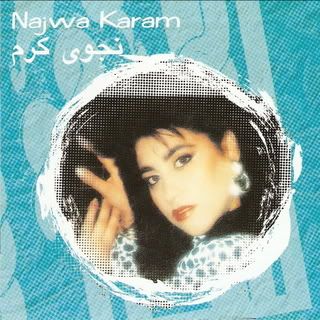
Najwa Karam - Rouh Rouhi

Rouh Rouhi is one of the songs that instantly come to mind when thinking of Najwa Karam's lengthy repertoire. The album opens with Atshaneh, which in the vein of Pascale Machaalani's Albi and Samira Said's Al Bal, has the distinct Indian flavor which was popular at the time. The remainder of the album is made up of more Lebanese-style dabke songs and ballads. Imad Shamseddine dominates most of the album, and composed the hit title song too. Wissam El Amir composed In Raddayt Alayk and Joseph Joha composed El Wafiyeh and Areftou Albi La Min, another heartfelt and unforgettable song. Like most of Najwa's late-1990s albums, Tarek Aakef arranged all of the songs.

Image and video hosting by TinyPic

1. Atshaneh
2. Areftou Albi La Min
3. Rouh Rouhi
4. Kif Bdawik
5. Ma Berda Ghairak
6. El Wafiyeh
7. In Raddayt Alayk

256 Kbps + Covers

Tuesday, January 26, 2010

Diana Karazon - El Omr Mashi

Diana Karazon's second album was less rushed than her debut, and there is a marked difference in style. None of the musicians on Diana's first album are here, but the list is impressive nonetheless with Samir Sfair, Riyad El Hamshari, Ahmed El Hermi, Tarek Madkour, and Tarek Aakef in the mix. The title song, with Nizar Francis' romantic lyrics, Samir Sfair's upbeat composition, and Tarek Madkour's favorite beat, was an instant hit. Min Bi Fekrak, which has the same team, is in the same vein, but more interesting with more engaging composition. Inta Mashi Bgad, composed by Wahid Mamdouh and arranged by Amr Abdel Aziz, is a shot at Egyptian tarab, but apart from the nostalgic value, it has little else. Tarek Aakef experimentation makes Samir Sfair's Khallina Netmarmar a fun song, with Latin, Indian, and Egyptian influences mixed into a quintessential Lebanese song. Hebni Doum, composed and arranged by Ahmed El Hermi, may be labeled a Khaliji song but it sounds more like something from a Disney epic, which is not necessarily a bad thing. Lamma Teb'a Habibi, composed by Riyad El Hamshari, is more Egyptian tarab, but with playful lyrics and upbeat arrangement, it is much more enjoyable than Inta Mashi Bgad. A cross between lounge music and ballad, Mahala is Diana Karazon's first Jordanian song. It's one of the best on the album, with flowing strings, an assortment of reed instruments, electric guitar, and Indian tabla. The upbeat Tes'alni is a more traditional Khaliji song from Ahmed El Hermi and Siruz, and it's almost as good as El Shar Barra We Be'id. The album closes with We Bada't A'ish, an irresistibly catchy maksoum song from Riyad El Hamshari, which Diana's voice takes to real heights.


1. El Omr Mashi
2. Min Bi Fekrak
3. Inta Mashi Bgad
4. Khallini Netmarmar
5. Hebni Doum
6. Lamma Teb'a Habibi
7. Mahala
8. Tes'alni
9. We Bada't A'ish

256 Kbps + Covers

Note: Tes'alni is missing, and I do not have the CD right now, I will update the topic in the future, sorry!

Monday, January 11, 2010

Ziad Rahbani - Ana Moush Kafer

Being born to Fairuz and Assi Rahbani (the more musical half of the Rahbani Brothers), Ziad must have had huge shoes to fill. In the great tradition of his family, Ziad became a musician, and he plays the piano and the bouzouk, not to mention a lyricist and playwright. Much like the Rahbani Brothers revived traditional Arabic music and introduced it to classical European music, Ziad became a revolutionary. He is best known for being a pioneer of the oriental jazz genre, and is behind many of Fairuz's later hits, such as Kifak Inta, Ma Edert Ensit, and Habbaitak Tansit El Nawm. His knowledge of all these musical styles, along with his sharp views, combines to create something rare. Ana Moush Kafer, musically a piece in the vein of traditional mouwashahat is combined with satirical colloquial lyrics about the corrupt who hide behind faith. Shou Hal Ayam, my personal favorite, opens with a piano solo, played in the style of a kanun solo. The song then continues with a haunting mix of classical east and west, and lyrics about corruption. Aal Nizam is a commentary on the state of society, but the music sounds like something out of a Rahbani Brothers' play, and the ending transforms into an African-style chant. Shou Ada Ma Bada is a prime example of Ziad's playful oriental jazz, while Ysa'ed We Y'in returns to more oriental roots with oud and bouzouk. Bhal Yawmain is another creative political commentary where Sami Hawat's voice shines. Bharf El Shin is a cheekily-titled instrumental piece with bouzouk set to a jazz beat, and Ziad's seemingly intoxicated snickering. The album ends with Bhannik, a classically-influenced and highly satirical dedication to the Lebanese presidency, and Al Mokawama Al Watania Al Lobnania, a more sober song for Lebanon, sung by Farouk Kosa.


1. Ana Moush Kafer
2. Shou Hal Ayam
3. Aal Nizam
4. Shou Ada Ma Bada
5. Ysa'ed We Y'in
6. Bhal Yawmain
7. Bharf El Shin
8. Bhannik
9. Al Mokawama Al Watania Al Lobnania

256 Kbps + Covers

Saturday, January 2, 2010

Elissa - Tesaddaq Bi Min

Elissa's long-awaited seventh album has finally been released, and at a time where the ailing Rotana needs it most. Ironically, Elissa's lengthiest album so far has the smallest number of composers, and is noticeably even more lyric-focused than its predecessor. After reasonable success with Khod Balak Alaya last year, Walid Saad is back with five songs, including the title song, a catchy ballad reminiscent of both Jannat's Ana Donyetou and the solo violin from Elissa's own Ayami Bik. Ma Aash Wala Kan adds a fun air of nostalgia with the 1980s pop influence coupled with some strings, even though Nader Abdallah too seems to be reworking his lyrics from Ayami Bik here. Men Gheir Monasba delves into a darker theme, that of an abusive partner, but the quintessential ballad music and beats are slower and less interesting. Eisha Wel Salam is a more jazzy Latin number, and Elissa excels with the genre. Tamim's choice of simple trumpets, strings, and solos is perfect too. Masdouma is like much of the "Egyptian chillout" Tamim excels at with Tamer Ali, except it's composed by Walid Saad. The song is sweet and pleasant but nothing groundbreaking.

Marwan Khoury makes his biggest contribution to Elissa yet here, with three songs. Amri La Rabbi, arranged by Michel Fadel, is an adequate song with hopeful lyrics. Sallemli Alaih, arranged by Nasser El As'ad, brings in the kind of rich, oriental music that Kermalak and Betmoun had. Fi Shi Enkasar is a ballad characteristic of Claude Chalhoub's classically-influenced work and truly makes Elissa's vocals shine amongst the mellow harp and the moody strings. Mohamed Rehim, the man behind the 2002 hit Agmal Ehsas, returns with the beautifully heartfelt We Byestehi as well as the album's weakest song, Eftakart. A Bali Habibi is already wowing audiences with its hopelessly romantic lyrics, but the music itself is surprisingly dull for Salim Salameh and Chalhoub. Strangely, Tamer Ali, arguably Elissa's hitmaker over the past four years, has only one song, Ma Ta'rafsh Leih. The song is another relaxed piece, but his collaboration with Claude Chalhoub is interesting. Another surprise comes with the inclusion of Law Fiyeh, a 1970s Aida Chalhoub song, composed by Elias Rahbani and renewed by Jad Rahbani. Elissa had begun singing the song at events, but the version on the album is another testament to her vocals. While the album is hardly groundbreaking, why change a good thing?

Image and video hosting by TinyPic

1. Tesaddaq Bi Min
2. A Bali Habibi
3. Men Gheir Monasba
4. Amri La Rabbi
5. Fi Shi Enkasar
6. Ma Aash Wala Kan
7. Sallemli Alaih
8. Law Fiyeh
9. Eftakart
10. We Byestehi
11. Ma Ta'rafsh Leih
12. Eisha Wel Salam
13. Masdouma

256 Kbps + Covers

Saturday, November 28, 2009

Rouwaida Attieh - Esma'ni

The three-year wait is finally over, and Rouwaida Attieh has released her new album, Esma'ni. Under a completely new management, headed by Anoud Al Ma'aliqi, change is instantly what you expect when glancing at the glamorous cover. But Lebanese composer Imad Shamseddine is no longer on the composing team, and there are no Egyptian composers to be seen either. The album opens with Shou Sahl El Haki, a ballad with soulful lyrics, but Nasser El As'ad's lifting of Gokhan Ozen's Inkar Etme for the arrangement doesn't fit very well. His work on Bala Hob is more enjoyable with soothing piano and strings, even though the song itself is a very standard ballad. Arguably the best work on the album comes from Wissam El Amir and George Marderosian, the composers behind Rouwaida hits like Jerouhi and Ala El Mani. Wissam El Amir's compositions, Law Inta El Shams and Ana Andi Lezeh, are both great dabke songs with playful and creative lyrics. The arrangement is textbook Roger Khoury however, with too much synth and not enough real instruments. George Marderosian's compositions are diverse, as he usually is: Hayati Melki is a dabke song that shows how far Rouwaida's voice can soar, even if what Roger Khoury does with the arrangement confounds the listener. Za'al Majnoun has a simple and catchy tune, but Bassem Rezq's arrangement, with a generous serving of flowing strings, takes the song to the next level.

The album's main problem is uninspired composers, like Salim Assaf and Mazen El Ayoubi, who don't have the faintest idea how to harness the power of Rouwaida's voice. Even the choice of title song was unfortunate. While the album has about or five or so good songs, three of them were released ages before the album came out. For such a talented young woman, Rouwaida Attieh just can't get a break, let's hope this album was just growing pains.

Image and video hosting by TinyPic

1. Shou Sahl El Haki
2. Esma'ni
3. Wana Kol Ma A'oul
4. Law Inta El Shams
5. La Tefakker
6. Bala Hob
7. Baini Ou Baino
8. Za'al Majnoun
9. Ana Andi Lezeh
10. Hayati Melki

256 Kbps + Covers

Friday, October 2, 2009

Nancy Zaabalawi - Moustahil

Syrian singer Nancy Zaabalawi is the daughter of a musician, and so music has been a part of her life since she was born. From humble beginnings singing at hotel restaurants, Nancy made it onto Superstar and was a favourite to win. In 2006, Nancy returned to the music scene with her debut album, Moustahil. The album is on the short side with only seven tracks, but there are many gems here that never received the attention they deserved. The album's title song, and only single, is a slow romantic number written/composed by Marwan Khoury and arranged by Bilal El Zein. The song is beautifully arranged and Nancy's voice is full of optimism. Shou Lzakarak is a typical Marwan Khoury-Bilal El Zein collaboration, a ballad with heavy beats and melancholic lyrics, but that's not a bad thing at all. Saheit Men Ez Noumi is a beautiful classically-influenced ballad, composed by Anas Sha'ban and arranged by Hassan Hossami. Aridak is another great song, composed and arranged by Mazen Zawaydi. The lyrics are full of hope and the music is a perfect mix of piano, kanun, and strings. The album's remaining songs: Law Laffeit, Khod Rahtak, and Inta We Bas, are not as innovative but far from bad.

Image and video hosting by TinyPic

1. Moustahil
2. Law Laffeit
3. Shou Lzakarak
4. Saheit Men Ez Noumi
5. Inta We Bas
6. Aridak
7. Khod Rahtak

256 Kbps + Covers

Sunday, September 13, 2009

Nawal Al Zoghbi - Yama Alou

Nawal Al Zoghbi's return was ill-timed with the breakout of the 2006 Lebanon War, but Egyptian record company Alam El Phan insisted on releasing the album that was to headline their summer catalogue. Though she had only been gone for two years, during which she released the hit singles Rouhi Ya Rouhi and Shou Akhbarak, Nawal's presence was sorely missed. Following up an album like Eineik Kaddabin is hard enough, but Yama Alou was released in the same year Elissa and Nancy's hit albums Bastannak and Ya Tabtab Wa Dalla' were, and faced stiff competition. It did not meet with the commercial success they did, but Nawal's album is pure quality.

The majority of the album is arranged by Amir Mahrous, with strings by Yehia El Mougi, unless otherwise stated. The oddball title song, composed by Mohamed Rahim, is instantly a case of love-it-or-hate-it. Amir Mahrous' mix of pop, sha'bi, and tarab in the arrangement characteristic of his style, and the song has guitar, rebab, and ney, with an infectiously catchy tune. Habbaitak is a rather tame love song, composed by Tarek Abou Jaoudeh. El Assi is a more downbeat ballad composed by Mohamed Refai, and the heartfelt lyrics are his signature. The hit Aghla El Habayeb is another catchy song, composed by Haitham Zayyad and arranged in a beautiful classical Arabic style by Tony Saba. Aadi is the album's sole Khaliji song. Composed by Abdallah El Gaoud and arranged by Tarek Aakef, it is nothing groundbreaking, but her best effort at the genre so far. Bta'refni Ana, composed Tarek Abou Jaoudeh and arranged by Michel Fadel, is a harmonious love ballad and everything from Nawal's voice to the piano and the accordion seem to be perfect. Betes'al is more of a chillout oriental song, with romantic lyrics from Hani Abdel Karim and and beautiful music from Walid Saad and Amir Mahrous. Ghib Anni Ghib is a cover of Turkish singer Hande Yener's Sen Yoluna Sen Yoluma, composed by Altan Çetin and arranged by Jean-Marie Riachi. Though it simply feels like a refined version of Hande's original, the feelings communicated in the other songs seem to be absent here. Akher Marra is modern tarab song, with a melancholic oud, sublime strings, deep lyrics, and beautiful composition on Walid Saad's part. Shou Akhbarak, Nawal's first Lebanese hit in a very long time, is another beautiful ballad. Composed by Nicolas Saade Nakhle and arranged by Michel Fadel, the song also has an air of the classics while still sounding clear and modern. Ayzak, composed by Walid Saad, begins as a classic ballad and transforms into a catchy sha'bi-style song. The album ends with Nawal's chilling tribute to Abdel Halim Hafez's Habibati Man Takoun, written by Prince Khaled bin Saoud and composed by the great Baligh Hamdi.

Image and video hosting by TinyPic

1. Yama Alou
2. Habbaitak
3. El Assi
4. Aghla El Habayeb
5. Aadi
6. Bta'refni Ana
7. Betes'al
8. Ghib Anni Ghib
9. Akher Marra
10. Rouhi Ya Rouhi
11. Shou Akhbarak
12. Ayzak
13. Habibati Man Takoun

256 Kbps + Covers

Wednesday, August 26, 2009

Assi Al Hillani - Kid Othalak

Assi Al Hillani's 2000 album is just what you expect from the Lebanese singer/songwriter; a mix of tradition and innovation. The majority of the album is composed by Samir Sfair, and there are two songs by Marwan Khoury. "Maestro" Tarek Aakef arranged most of the songs, and variety is everywhere in his work. In Sahra Ou Lail, Hatha Tab'i, and Majnoun, Aakef's signature sweeping strings dominate, while on Teslamli Eyounek, a haunting piano and mellow ney take over. However, in Kid Othalak, Aakef tries his hand at fusing Khaliji and pop beats. Boudi Naoum arranged the hit Bhebbek We Bghar, a mix of pop beats and sharp strings. He goes for Latin pop with Lali, and Hatha Mou Adel features a melancholic solo violin. Zeina is arranged by Roger Khoury with an upbeat Turkish-style baglama and clarinet. Assi himself composed Ah Mennak, which is arranged by Mohamed Mostafa.

Image Hosted by ImageShack.us

1. Sahra Ou Lail
2. Bhebbek We Bghar
3. Hatha Tab'i
4. Teslamli Eyounek
5. Ah Mennak
6. Zeina
7. Majnoun
8. El Muhra
9. Lali
10. Hatha Mou Adel
11. Kid Othalak

256 Kbps + Covers

Sunday, July 26, 2009

Houwaida - Gani Tani

The powerful voice of Syrian vocalist Houwaida always steals the spotlight. Though many remember her from the dispute she had with Nawal Al Zoghbi over the hit Mandam Aleik, Houwaida has proven her talent over and over again over the past decade. Unlike the direction Nawal took, Houwaida's preference for more oriental songs is evident in all of her choices. Gani Tani has collaborations with Samir Sfair, Walid Saad, Ramy Gamal, and the late Riyad El Hamshari. It can be argued however, that the album's weakness is the prevalence of ballads. While Houwaida can tackle them quite easily, they do not suit her voice as more upbeat songs, like Dallelni and Shway Shway, do. Still, there are ballads like Ya Habibi and Moush Haram Aleik, which Ahmed Adel and Medhat Khamis excel in respectively, and songs reminiscent of her earlier work, like Eini All Hab. The arrangers on this album include Mohamed Mostafa, Medhat Khamis, Ahmed Adel, and Tarek Aakef. There is more, and even better, Houwaida to come on the blog!


1. Gani Tani
2. Eini Alli Hab
3. Ya Habibi
4. Moush Haram Aleik
5. Bta'ref
6. Bakoun Ma'ak
7. Kelma Wahda
8. Dmou' El Sheteh

256 Kbps + Covers

Wednesday, May 27, 2009

Najwa Karam - Ya Habayeb

Ya Habayeb is Najwa's debut studio album. It was released in 1989, but this rip is from the second edition from 1995. This album is a great example of Najwa Karam's beginnings with composers she has not worked with in a long time now, such as Samir Sfair and Suhail Fares. Samir's style has changed considerably, and Najwa works primarily with Imad Chamseddine and Wissam El Amir nowadays. The album is very "Arabic", with tarab-style songs as well as dabke and mawals. It is definitely worth a listen.


1. Ya Habayeb
2. We Ygoulou Rjou'ou Garib
3. Khalli Ketfak A Ketfi
4. Ma Baddi Eyounak
5. De'i Ya Tboul
6. El Haq Alayeh
7. Baladiyat

Download Here
256 Kbps + Covers

Sunday, May 17, 2009

Julia Boutros - Bi Saraha

Julia Boutros' releases may be far apart, but the effort put into the beautiful music is always evident. Her 2001 album is, as most of her later albums are, composed by her brother Ziad and written by Nabil Abou Abdo. While the album is not as memorable as her runaway hit La B'ahlamak, there are beautiful ballads to be heard here like Kelmeh Aal Waraq, Ma Maraq, and Bi Saraha. There are more playful songs too, like Elna Mazha and Wa'd Alayeh, though the former is a little more interesting. Nashid El Horriyeh, Nehna El Sawra Wel Ghadab, and Ma Am Befham Arabi are songs with political messages, which Julia has never shied from. Never one to skimp on musical quality, the list of musicians is full of famous musicians like Claude Chalhoub, Tony Anka, and Hani Siblini. For those who liked the Bahr Al Nojoum soundtrack, here's some trivia: Jessy Jleilaty is part of Julia's chorus on this album.

Image Hosted by ImageShack.us

1. Bi Saraha
2. Wa'd Alayeh
3. Kelmeh Aal Waraq
4. Elna Mazha
5. Ma Maraq
6. Nashid El Horriyeh
7. Nehna El Sawra Wel Ghadab
8. Ma Am Befham Arabi

Download Here
256 Kbps + Covers

Thursday, April 9, 2009

Grace Deeb - Aktar Min Gharam

The biggest crime an artist could do to an excellent album is to sell it short. Unfortunately, that is what Grace Deeb did after releasing the video for the title song, and she disappeared. Though the album is her best so far, she only released two singles, Aktar Min Gharam, and many months after, Ghinniyat. The album is a huge change from her first, which relied heavily on very western-style songs. George Marderosian, who composed her hit Ghannali, returns with two amazingly good songs. Lail Ou Bel Lail is a breathtaking ballad which Adel Aayesh compliments with great arrangement, and Endak Khabar is in the traditional fashion that Marderosian always innovates with. Tony Abi Karam wrote and composed Law Kan, a beautiful ballad that only pales in comparison to Lail Ou Bel Lail. A surprising name on the list is Salah El Sharnoubi, who composed Alfein Mersal, a great, upbeat song with fun beats and baglama, and one of the best Salah has composed in a while. Rawad Raad's compositions, the nouveau-dabke Ghinniyat and Latin-influenced Aw'at are also interesting, upbeat songs, both arranged by Dani Helou. The album ends with Wissam El Amir's Endi Ehsas, which had it not been preceeded by two great ballads would have been much more appreciated! It is not clear why Grace was away for so long, but the fact her management changed after this album may be a clue. Nevertheless, this is a top-notch album, that finds the balance between Grace's western voice and great Arabic music.


1. Aktar Min Gharam
2. Law Kan
3. Alfein Mersal
4. Aw'at
5. Ghinniyat
6. Lail Ou Bel Lail
7. Endak Khabar
8. Endi Ehsas

Download Here
256 Kbps + Covers

Sunday, March 29, 2009

Bassima - Aini Ya Mo

Bassima has never been one to follow the pack, and Aini Ya Mo is no exception. After the huge success of Andi Sou'al, Bassima returned in 2003 with a completely different song. The title song is written and composed by Marwan Khoury and unlike anything released before, thanks to Roger Khoury's arrangement. He combines fun pop with more serious tarab-style strings and beats. Boudi Naoum brings his always unique brand of East meets West with two power ballads, Bekhtesar and La Tfel. Iwan (credited here as Mohamed Ba'assiri) takes a much more different tone with three quintessential, upbeat Arabic pop songs: Wel Khad Metki, Wala Hammi, and the extremely catchy Doum. Wissam El Amir contributes with Lamouni, which is a good tarab-style song, but has nothing very interesting. Roger Khoury arranged most of the album, with the exception of Bekhtesar and La Tfel, which Boudi Naoum arranged himself. Like most of Bassima's albums, there is not a bad song here, and it's no wonder the album was so successful.


1. Aini Ya Mo
2. Wel Khad Metki
3. Bekhtesar
4. Wala Hammi
5. La Tfel
6. Lamouni
7. Doum

256 Kbps + Covers

Friday, March 20, 2009

Najwa Karam - Ma Hada La Hada

After the upbeat Hazzi Helou (I'm Lucky), Ma Hada La Hada (No One Belongs to Anyone) was a marked change of tone for Najwa Karam. The first single, El Tahaddi (The Dare) and the title song are defiant songs, rejecting love. The album was the beginning of a long creative relationship with Egyptian musician Tarek Aakef, who arranged the entire album. As always, he is diverse, using dabke, Khaliji, classic tarab, and modern beats and effects. The talented Wissam El Amir composed tracks 2, 4, and 6, while tracks 1, 3, and 7 are by Salim Salameh. Imad Shamseddine wrote and composed Baddi Mnajem (I Need an Astrologer). Despite being a sales failure, Ma Hada La Hada is without a doubt one of Najwa's most solid (and significant) albums.

Image Hosted by ImageShack.us

1. El Tahaddi
2. Habib El Zein
3. El Helou
4. Ma Hada La Hada
5. Baddi Mnajem
6. Btousaq Fiyeh
7. Bjarreb Ensa

Download Here

Sunday, March 8, 2009

Rouwaida Attieh - Men Nazra

Rouwaida Attieh emerged as the first runner-up on the first season of Superstar, but the popularity that she, and second runner-up Melhem Zein garnered quite easily rivaled winner Diana Karazon's. While Melhem and Diana worked with a wide range of lyrcists and musicians, Rouwaida was musically adopted by Imad Shamseddine, a man who had been on Najwa Karam's musical team for over a decade. Arrangers include Adel Aayesh, Ali Safa (who arranged the hit title song), Medhat Khamis, and Ahmed Adel, who gives the hit Ta'ebt Ma'ak the Egyptian flavor the song calls for. The album is made up of Lebanese and Egyptian songs, although the fact there is only one true dabke song, Men Nazra, seems a crime when Rouwaida is one of the few women who have conquered the genre. While there are some must-listen good songs like Ta'ebt Ma'ak, Men Nazra, and A Min El Loum, the album as a whole felt old and it is simply Rouwaida's voice that carries it. It's just as well Khissamak Mur did Rouwaida's talent justice finally in 2006, with a much bigger team of musicians that still included Imad Shamseddine.

Image Hosted by ImageShack.us

1. Rahet Sana
2. Ta'ebt Ma'ak

3. Leih
4. Men Nazra
5. Maktoubli
6. A Min El Loum
7. Hasamt El Amr

Download Here

Tuesday, March 3, 2009

May Hariri - Habibi Inta

It's hard to argue the fact that May Hariri got a head start on her musical career thanks to ex-husband Melhem Barakat. Whether her second album, Habibi Inta, was her best may be an arguable point, but it's definitely this listener's favorite. It's no secret that May's voice is limited, but she chose songs that sounded good and she didn't overstretch her voice. The album is dominated by Lebanese duo Haitham Zayyad and Tony Saba who composed/arranged Hasan, Fallaha, Ya Bta' El Gharam, and Dena. Habibi Inta and Hamama Beida are updated versions of Melhem Barakat's classics, and Tony Saba, responsible for updating Sabah's Yana Yana also, makes the arrangement more dynamic. Hasan is a fun, upbeat song with the simple things that make traditional Arabic pop good: a good beat, organic strings, and smart use of synths. Fallaha, the album's first single, has more great arrangment from Tony Saba. The song is very traditional, with a strong beat and a great string and mizmar intro. Ya Bta' El Gharam, which preceded the release of the album, takes a similar tone as Hasan in terms of Hasan, but with mizmar a some dance synths thrown around. La Tnamou is a cover of Ziynet Sali's Cikolata (which was a remake itself!). Einak Menni and Ma' Min are credited to Jean Saliba. The latter was first released on her debut album, but this is the video version (which added Urdu lyrics). The album ends with Dena, another cheesy Khaliji by Lebanese musicians, that the album could have done without! Overall, the formula followed here was a successful one, and May should have stuck to it, instead of the unfortunate trainwreck that was her 2008 album.

Image Hosted by ImageShack.us

1. Hasan
2. Fallaha
3. Ya Bta' El Gharam
4. Habibi Inta
5. La Tnamou
6. Hama Beida
7. Einak Menni
8. Ma' Min
9. Dena

Download Here
256 Kbps + Covers