Showing posts with label 2008. Show all posts

Thursday, January 28, 2010

Latifa - Fel Kam Youm Elli Fatou

After radically changing her style in Ma'loumat Akideh, Latifa returned to Egyptian pop in 2008, and it is arguably her best pop album to date. The album has a good share of western influence and rich, traditional instrumentation. The title song, which was a huge departure for composer Walid Saad, mixed traditional strings and percussion with the latest French electro music fad, Tecktonik. The idea was Latifa's, and Tamim did a great job bringing it to life. Ana Arfa is written as a frank telephone call between a woman and her friend, and about why her lover refuses to reconcile with her. The arrangement is simple but rich, and reminiscent of Tamer Ali and Tamim's work on Elissa's Awakher El Sheta. The popular Ya Aghla Alb combines a quintessential Egyptian song with a dabke beat, electric baglama, and sharp strings. Sebni Shiwaya is another hybrid, with traditional low-pitched strings and understated percussion, while the composition could easily be used for a western-style ballad. Hankhaf Men Min's romantic lyrics are complimented by simple and relaxed arrangement from Touma. Ana Omri Ma Hansak has less engaging composition, but the arrangement is solid on Medhat Khamis' part, sounding like a remastered classic. Law Faker is a catchy power ballad, but the arrangement seems a bit lackluster for Tamim's usual work. Bi Yekdeb is Tamer Ali at his best, and the ballad opens with a beautiful ney solo, and then turns into a more jazzy number while still maintaining an oriental air. Konna Zaman, is probably the weakest song, and while it has interesting lyrics, the composition is noisy to say the least. Faker Eih and the cheesy Marina are both Latin numbers, and are fun but forgettable. The album also has songs that harken back to Latifa's early career. Rouhi Betrod Feya, composed by Amjad El Atefi, is a simple love song. Law Sahran Habibi, by Iraqi oud virtuoso Naseer Shamma, is also a beautiful love song, but the orchestra here is bigger and the music, especially the oud, is much more engaging.

Image and video hosting by TinyPic

1. Fel Kam Youm Elli Fatou
2. Ana Arfa
3. Ya Aghla Alb
4. Sebni Shiwaya
5. Hankhaf Men Min
6. Ana Omri Ma Hansak
7. Law Faker
8. Bi Yekdeb
9. Konna Zaman
10. Rouhi Betrod Feya
11. Faker Eih
12. Law Sahran Habibi
13. Marina

256 Kbps + Covers

Tuesday, February 24, 2009

Layal - Fi Shouq

Lebanese singer Layal's debut album makes the most of her relatively limited vocal range. The young singer sang at various Beirut cafes and restaurants before finally meeting with musicians like Richard Najm, Tony Abi Karam, and Salim Salameh The album has a variety of styles, covering Egyptian and Lebanese ballads as well as a shot at Iraqi chobi. Her first single, Hawasi Kella, is included as well as an unexpected collaboration with Ihsan El Mounzer, who arranged Mashghoul Bali Alaik. Easily Jad Sawaya's most (professionally) serious artist so far, Layal's debut album is a good start, with lots of room to improve.

Image Hosted by ImageShack.us

1. Fi Shouq
2. Hawasi Kella
3. Abouya Alli
4. Mashghoul Bali Alaik
5. Am Behlamak
6. Wen Ya Wen
7. Chobi
8. Albi Yomma

Download Here
256 Kbps + Covers

Saturday, January 31, 2009

Myriam Faris - Bet'oul Eih

Despite finding a great niche for herself in the oriental-dance fusion genre, Myriam did not rest on her laurels in 2008. Myriam evolved as an artist even more with Bet'oul Eih. There are a few misses, like Samir Sfair's awkward Moush Ananiya and Marwan Khoury's sleepy Betrouh, but overall Myriam's third album is solid. Like the 2005 hit Ha'leq Rahtak, the title song is written by Myriam's sister, Roula Faris, and co-composed with Marc Abdelnour, who gives the song an authentic Egyptian feel. Mohamed Rahim returns with two songs; the upbeat Eih Elli Byehsal is arranged by Jean-Marie Riachi and follows in the style of Nadini while Iyam El Sheteh is a mellow ballad with simple, but beautiful arrangement by Hadi Sharara. Ana Albi Lik will surprise those who are used to Walid Saad's oriental ballads, and Jean-Marie Riachi gives it a fresh Latin-style arrangement. Ala Khwana, also composed by Samir Sfair but arranged by Tarek Madkour, is a refreshingly enjoyable maksoum song that beats Moush Ananiya in this listener's opinion. Law Konte Radi is Myriam's first collaboration with Tamer Ali, and despite a bit of repetitiveness, it's quite good. The album finishes off with it's first single, Moukana Wein, which is Myriam's first full-on Khaliji song. Tarek Aakef proves his innovativeness once again by incorporating the sound of the seashell belt that was worn by Bahraini pearl divers in their traditional dance. The belt was also used in the controversial video Myriam shot for the song, and she learned the choreography for the dance. Interestingly enough, Ahlam recently claimed that Kuwaiti composer Abdallah El Gaoud originally offered her Moukana Wein, but she declined it because her husband think it fit her.

Image Hosted by ImageShack.us

1. Moush Ananiya
2. Eih Elli Byehsal
3. Inta Bet'oul Eih
4. Betrouh
5. Iyam El Sheteh
6. Ana Albi Lik
7. Ala Khwana
8. Law Konte Radi
9. Moukana Wein

Download Here
256 Kbps + Covers

Wednesday, January 7, 2009

Hind - Hind 2008

When asked about her talent, the great Mayada El Hennawi called Hind "one of today's greatest, most beautiful voices," and for good reason. The young Bahraini singer's soulful approach to everything from traditional Saudi and Emirati songs to pop and ballads, is a refreshing change in a genre where young singers tend to stick to simple, non-challenging songs. The album has an impressive list of musicians, with Dr. Abdelrab Idriss, Nicolas Saade Nakhle, Michel Fadel, Tarek Aakef, Nizar Abdallah, İsmail Tunçbilek (on bouzouk), and Ali Bin Mohamed (who duets with her on the "Khaliji blues"-style Yeji Mennak). The album is very diverse, for example Thebahni El Shoug employs an Iraqi beat, while Teshteki has delightfully classic approach, and the Lebanese hit Maw'ed Omur brings in electric guitars and bongos. So even if you don't like one song, you will definitely find one you love. This is a high-quality production from beginning to end; synths are kept at a minimum and the instruments range from traditional ney, oud, kanun, and rebab to guitars and saxophones. Understandably, Hind recorded in Cairo, Bahrain, Dubai, Beirut, and Kuwait, with musicians from the Gulf, Egypt, Lebanon, and Turkey playing the various instruments. Easily her most hyped album to date, Hind's 2008 album is definitely worth a thorough listen.

Image Hosted by ImageShack.us

1. Meridh El Mahabba
2. Yeji Mennak
3. Thebahni El Shoug
4. Eb Kel Basata
5. Abih Yeshouf
6. Aaf El Farah
7. Hameti
8. Tawwek Ala Bali
9. Jaitek
10. Teshteki
11. Men Int
12. Maw'ed Omur

Download Here
256 Kbps + Covers

Sunday, December 7, 2008

Assi Al Hillani - Yemken

Assi Al Hillani's latest album is less diverse than his previous offering, Daggat Galbi, but Assi never disappoints, and Yemken is no exception. Though his albums are always dominated by traditional songs, his past two albums focused on more electronic and pop-oriented songs like Zghireh El Denyeh and Sa'alou Ainayeh, so pop fans will not like the fact that Assi seems to have grown out of it (for the time being anyways). Seven of the album's 14 tracks are composed by Assi himself (Dalli Ma'i, Halet Galbi, Bendah Ma Am Yesma', Sahra El Sharq, Lebnani, Kheil El Arab, and Khada'tena); and the remaining seven are by Haitham Zayyad (Rja'li Aw Raja'li, El Hawa Dhalem), Maher El Ali (Eyoun Al Maha), Hisham Boulos (Am Oul El Ah), Jean-Marie Riachi (Yemken), and Cem Erman (Nour El Sahar). Yemken, a very mellow title song when compared with Daggat Galbi, starts off as an uninteresting ballad, but about two minutes in, when west finally meets east, the song turns into a much more powerful song that deserves it's place as the first single. In Nour El Sahar, Nasser El As'ad takes Erman's Gümüş theme and remixes it into a far more interesting, dancefloor-worthy song. Assi, who has dueted with (and practically launched the career of) Grace Deeb and Karol Sakr before, sings two duets on this album (and Melissa does a bit of humming in Nour El Sahar as well). Rja'li Aw Raja'li is a ballad featuring Tunisian Star Academy 3 contestant Chaima Hilali, and she excels as usual in this melancholic song which combines both clarinet and oud solos. In Sahra El Sharq, Rouwaida Attieh joins Assi in one of the best dabke songs of the year, and steals the show in the process. Adel Aayesh does a great job also, with very organic arrangement made up of mizmar, ney, kawala, and violins. Assi includes two patriotic songs he previously released as singles, the powerful Kheil El Arab and Lebnani. Bouset Khanjar is a cover of Davut Güloğlu's Ham Yaparim, made more electronic and even more dramatic by Aytekin Kurt. Am Oul El Ah, which is arranged by Hadi Sharara, is a "nouveau-dabke" song in the vein of Najwa Karam's Ta'a Khabbik.

Photobucket

1. Dalli Ma'i
2. Halet Galbi
3. Yemken
4. Nour El Sahar (feat. Melissa)
5. Rja'li Aw Raja'ni (feat. Chaima Hilali)
6. Bendah Ma Am Yesma'
7. Am Oul El Ah
8. El Hawa Dhalem
9. Sahra El Sharq (feat. Rouwaida Attieh)
10. Bouset Khanjar
11. Eyoun El Maha
12. Lebnani
13. Kheil El Arab
14. Khada'tena

Download Here
256 Kbps + Covers

Tuesday, December 2, 2008

Various Artists - Dance H1ts

As simply as the title states, this album is a collection of some of the top Arabic hits released between 2006 and 2008, remixed into dance songs by Aytekin Kurt. The album opens with Tigi Mennak, originally a typical Madkour maksoum song, now remixed into a great dance song. Aytekin successfully transforms Ensa Elli Rah, Ayami Bik, Hayda Haki, Nwakel Aleik Rabbi, Aini Alaik, and Bihen, making you listen to them as if they were new again. The majority of the songs are great dance songs, what Aytekin does best, while Saber's is turned into a hip-hop song, and Amal and Wael's are turned into mellower, chillout songs. Aytekin keeps the original strings in many of the songs, keeping the oriental origins of the music intact. The less interesting songs, Eini Aal Gharam and Ana Wel Lail, were not remixed as smoothly, and Aletli Oul drowns the vocals out too much for this listener. Nasser El As'ad and Cem Erman collaborate on Nour El Sahar, taking Erman's Gümüş theme and turning it into a full-blown dance song, with Assi Al Hillani's expressive voice taking it to new places. Definitely one of the best compilations this year, Dance H1ts is for fans of dance and club music as well as those simply looking to rediscover the songs they love already.

Photobucket

1. Nawal Al Zoghbi - Tigi Mennak
2. Amr Diab - Aletli Oul
3. Najwa Karam - Hayda Haki
4. Elissa - Ayami Bik
5. Fadl Shaker - Ensa Elli Rah
6. Marwan Khoury - Ana Wel Lail
7. Ramy Ayach - Eini Aal Gharam
8. Saber Rebai - Nwakel Aleik Rabbi
9. Amal Hijazi - Aini Alaik
10. Wael Kfoury - Bihen
11. Assi Al Hillani - Nour El Sahar (feat. Melissa)
12. Sanawat Al Daya' (Music Remix)

Download Here
256 Kbps + Covers

Monday, November 24, 2008

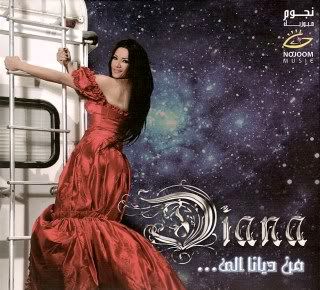
Diana Haddad - Men Diana Ela...

Diana Haddad returns to the music scene with Men Diana Ela... (a.k.a. From Diana To), a Khaliji album from beginning to end. The styles range from pop and ballads to the traditional. Some songs use typical Arabic beats (be it from the Gulf or Iraq), while others use styles that border on Latin, African, and Indian music. Never one to depend on one lyricist or musician, Diana works with a number of composers, like Walid El Shami, Abdelqader El Hedhoud, Fayez El Sa'id, and Essam Kamal. Arrangers Ziad Nadim, Ali Msafer, Bilal El Zein and Ahmed Asadi each do great jobs on Shloun Ashoufah, Tahreg A'sabi, Leit El Goloub, and Ajiba respectively. Though most would have liked to see Diana release a more diverse album, after a two-year wait, Men Diana Ela... is thoroughly enjoyable album.

Photobucket

1. Sheft Ettesalek
2. Shloun Ashoufah
3. Tahreg A'sabi
4. El'ab Ala Galbi
5. Allah Ykhallik
6. Ajiba
7. Ya Za'lan
8. Ma Yet'ebni
9. Leit El Goloub
10. Rouh Ya Sghayer

Download Here
256 Kbps + Covers

Sara Al Hani - Haik Bta'mel

The young Sara Al Hani returns this year with a completely different album, Haik Bta'mel. The beautiful title song is composed by the talented Ramy Ayach, which is bound to help her attract some of the well-loved star's fans. Walid Saad, who composed her debut single Karrahni Fik, returns also with two songs, the mizmar-infused Elli Nasini and slow Eftakart, both arranged by Adel Aayesh. Salim Assaf has written most of the lyrics, and he also composed Ma Hada Byeb'edni, as well as Sara's first Khaliji song, Fedeit Rouhak. Olt Eih is also an enjoyable song also, composed by Mazen Zawaydi and arranged by Hadi Sharara. Though Sara's voice, and Jean-Marie Riachi's arrangement, on Haik Bta'mel will steal you away at first, be sure to listen to the whole album.

IPB Image

1. Haik Bta'mel
2. Olt Eih
3. Law Khayarouni
4. Al Shou A Balou
5. Elli Nasini
6. Fedeit Rouhak
7. Ma Hada Byeb'edni
8. Eftakart

Download Here
256 Kbps + Covers

Sunday, November 23, 2008

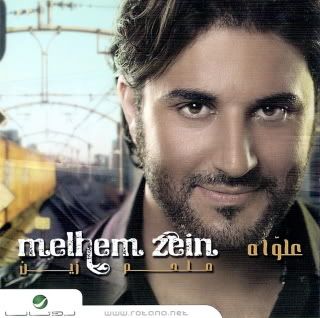
Melhem Zein - Alawwah

Melhem Zein, who caused audiences to jump on to the stage the day he left Superstar, is one of Lebanon's most well-loved former talent show contestants. His last two albums focused mostly more pop-orientied or slower Arabic songs, but Melhem finally realized where his voice was best put to use with Alawwah. The album is dominated by Lebanese dabke songs, which it seems most popular singers have distanced themselves from lately, singing only one or two songs from the genre on their albums. Tarek Madkour is absent from this album, but the variety of arrangers is impressive. From Lebanon, there's Roger Khoury, Bassem Mounir, Bilal El Zein, Dani Helou, Hadi Sharara and Walid Eblan; from Egypt, Karim Abdelwahab and Mohamed Mostafa. The dabke songs range from playful like Alawwah, Aawed, Sheddi El Ghetra, and Ya Ahl Allah, to melancholic like Ghibi Ya Shames and Ma Hammak. Melhem doesn't neglect fans of the style prevalent in his first two albums however. Nami Aal Hada, Ma Ba'ref Laish Bhebbak, Maryam (dedicated to his newborn daughter), and his hit single Mamnounak are pop and jazz-influenced songs. The remaining three songs are just as enjoyable, Wallah W'alla'tek Fiyeh is a catchy maksoum song, Yemken a very traditional, organic mawal, and the album finishes the equally traditional ballad, Ghab El Ghali.

Photobucket

1. Alawwah
2. Wallah W'alla'tek Fiyeh
3. Sheddi El Ghetra
4. Aawed
5. Ghibi Ya Shames
6. Ma Hammak
7. Nami Aal Hada
8. Ma Ba'ref Laish Bhebbak
9. Ya Ahl Allah
10. Maryam
11. Mamnounak
12. Yemken
13. Ghab El Ghali

Download Here

256 Kbps + Covers

Monday, November 10, 2008

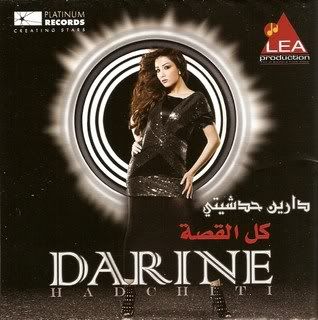
Darine Hadchiti - Kel El Ossa

Darine Hadchiti's third album is a solid effort from the young Lebanese singer. As always, Kel El Ossa boasts a stellar list of musicians, including Tarek Abou Jaoudeh, Hadi Sharara, Wissam El Amir, Roger Khoury, George Karam, Zaher El Baba, Mohamed Yehia, Walid Saad, Adel Aayesh, and Boudi Naoum. As is usually the case, Darine's album is quite lengthy, and so there are a number of great songs with not-so-great songs filling the gap. The album opens like her previous two, with a Tarek Abou Jaoudeh-Hadi Sharara collaboration. Meshta'a is another catchy song with an amazing fusion of Arabic and electronic music. The title song, an upbeat and fun Lebanese song composed by Wissam El Amir, follows. Kel El Ossa's arrangement is reminiscent of the style Roger Khoury used with his last collaboration with Wissam El Amir, on Melhem Zein's Alawwah. Next up is Ana Aheb (Fiha Eih Ya'ni), which is composed by one of the busiest men this year, Mohamed Yehia. Tarek Madkour's upbeat, poppy arrangement on this song is one of his better works this year. The album's first single, Rasi Ala Rasak, is an equally great song, thanks to both George Karam's upbeat composition and Boudi Naoum's fusion of pop with an Arabic beat and mizmar. Ma Bta'refni, composed by Zaher El Baba, is another enjoyable, upbeat song, even though the arrangement takes a backseat with nothing special. Hobbak Ghali Alaya, Darine's first Egyptian single, is fairly good although her vocals don't do much for the song. Darine Hadchiti's vocals are not necessarily bad, her failure to create a niche for herself is what holds her back, even after the release of her third album. Regardless of what you hear from others, Kel El Ossa is definitely worth a listen, with a number of good songs to be discovered.

Photobucket

1. Meshta'a
2. Kel El Ossa
3. Ana Aheb (Fiha Eih Ya'ni)
4. Maw'oudeh
5. Denyeh B'ideh
6. Rasi Ala Rasak
7. Mamnou'
8. Ma'ouleh Hayda El Hob
9. Ma Bta'refni
10. Khedni Wrouh
11. Hobbak Ghali Alaya

Download Here
256 Kbps + Covers

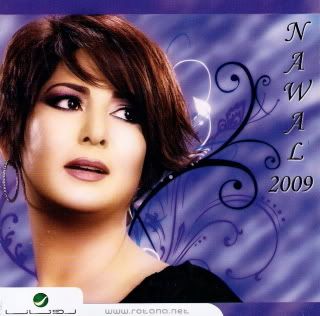
Nawal - Nawal 2009

Nawal's long-awaited follow-up to Nawal 2006 has finally arrived, and it is definitely good. As always, Nawal has an infectiously catchy single, and the rest of the album is filled with well-chosen lyrics, and generally mellow music. Mou Liya, like El Shoug Jabek, Bi Yahsedouni Aleih, and Tammen Galbak before it, is infectiously catchy and goes places Nawal has never been before. After joining Nawal on his compositions like El Shou Jabek and Fel Bedaya, Mish'al El Orouj returns even more prominently in Mou Liya, although it is his only composition here. On this album, Nawal's Egyptian song is composed by Walid Saad, after working with the late Riyad El Hamshari on her past two albums. Bahraini arranger Sirouz has much more prominent presence on Nawal 2009 than any other arranger, a fact this listener doesn't like, but listening to the work Khaled Ez and Hani Farhat do on Hathi Jedida, Wein Antehi, and Khed'a, or İsmail Tunçbilek does on Mou Liya is gratifying enough to forget it. Sah is another beautiful song, combining Turki's meaningful lyrics with Sahm's skillful composition (which he already proved in Asalah's 2007 album, Sawaha Galbi), and Essam El Sharaiti & Hani Farhat's arrangement. Nawal 2009 caters to those who like the polished Nawal as much as it does to those who like the rougher, more old school Nawal.

Photobucket

1. Dhagat Aleik
2. Meshtag Galoli
3. Sam
4. Leih Saket
5. Hathi Jedida
6. Mou Liya
7. May Eini
8. Sah
9. Ghab Nourek
10. Khed'a
11. Aghla Hob
12. Has Be Ghalteto
13. Min Allemek
14. Eyoun El Nas
15. Wein Antehi

Download Here
256 Kbps + Covers

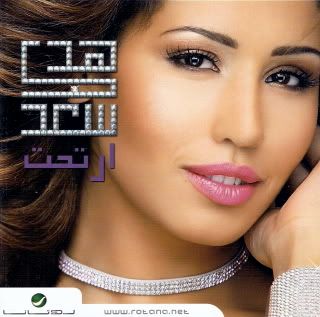
Hoda Saad - Ertaht

Moroccan singer Hoda Saad's debut album is a mellow, mostly traditional one. Hoda skillfully sings in the Egyptian, Lebanese, and Khaliji dialects, as well as her native Moroccan dialect. Hoda's soft, feminine voice does not instantly distinguish itself, but it is good and well-employed throughout the album. Hoda works with some of the top names in the business, including Walid Saad, Salim Salameh, Mahmoud Khayami, and Mohamed Rifai. Looking like Egyptian songstress Sherine can't hurt either.

Photobucket

1. Ma Kontesh
2. Ma Sadda'
3. Maghroumeh Fik
4. Abou El Erreif
5. Jit Nsidou
6. Ma Tfakkarnish
7. Ma Baddak
8. Ertaht Ashan Nesitni
9. Allah Yaster

Download Here
256 Kbps + Covers

Sunday, November 9, 2008

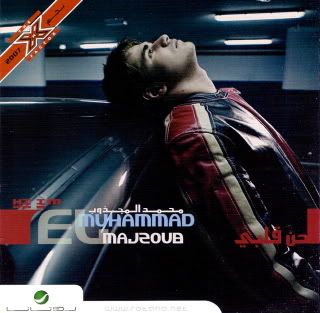
Mohamed El Majzoub - Hann Albi

Mohamed El Majzoub was a favorite to win the second season of Rotana TV's Arab import of The X Factor. And not surprisingly, the 17-year-old Syrian won it. As promised, Mohamed went to work on his debut album, courtesy of Rotana, and one year later here it is. Like fellow X Factor winner Rajaa Qasabni before him, Mohamed works with Walid Saad, Salim Salameh, and Adel Aayesh. The album also maintains the same oriental feel throughout, with traditional instrumentation and only the title song using a pop beat. However, unlike Rajaa's album, Lebanese songs dominate this album and there is far more variety in terms of composers and arrangers with Hisham Boulos, Marc Abdelnour, Khalil Abou Abeid, and Dani Helou on board also. Rotana has produced another winner in Mohamed, and this album is definitely one of the strongest debuts in years.

Photobucket

1. Allah Shou Bhebbak
2. Hann Albi
3. Keda Tensani
4. Hebbini
5. Ba'dek
6. Ma T'oulsh Ana
7. Ana A'mel Eih
8. Bhessak Ma'i

Download Here
256 Kbps + Covers

Saturday, October 11, 2008

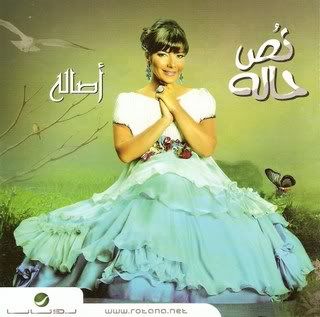
Asalah - Noss Hala

After the massive success of Hayati (2006) and Sawaha Galbi (2007), Asalah returned this year with another highly-anticipated album. Many new fans raved about the change of style, but diehard fans (like this listener) are underwhelmed to say the least. The CD opens with its first single, Wala Dari, an upbeat, already successful pop song that melds oud with Nsync-esque beats. Sadly, the album declines from there. Kan Wahm is a slow ballad, but not the good oriental kind that Asalah always hits a homerun with. Instead, the sleepy chorus brings the Spice Girls' Too Much to mind, which is definitely not a good thing. Ah Men Ainah picks up the pace, letting Asalah stretch her vocal muscles a bit, and passes with uninteresting arrangement. Etfarrag Ala Nafsak is the sort of song Asalah excels in, but forcing bongos and triangles on such an oriental song is ridiculous. Ba'ah Tabi'i Alaya gets more of the mediocre arrangement, and adds awkward percussion too, but the album picks up after this one. Aw'at is composed by Ramy Sabry, who is on Tarek Alarian's label, but it gets much better treatment than its stablemates, with more interesting strings and less awkwardness. Yesmahouli El Kel, penned by Siham Sha'sha' and composed by Jean-Marie Riachi, was talked about months before it's release and has already been queued as the next single. The song, like all of the songs Siham writes, is lyrically-focused, but Riachi manages to hold his own with upbeat violins, kanun, and ney. As she has done for the past decade, Asalah explores a new style here, after succeeding with jazz in 2006. Noss Hala is classically-influenced, and feels like a grand film or Broadway score. With so many regulars absent, it isn't hard to see how Asalah went wrong with this album. Closing with two great songs is hardly a victory, but Asalah never completely disappoints, and there's always next year.

Photobucket

1. Wala Dari
2. Kan Wahm
3. Ah Men Ainah
4. Etfarrag Ala Nafsak
5. Ba'ah Tabi'i Alaya
6. Aw'at
7. Yesmahouli El Kel
8. Noss Hala

Download Here
256 Kbps + Covers

Friday, October 10, 2008

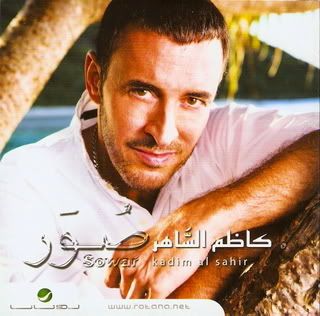
Kadim Al Sahir - Sowar

Kadim Al Sahir, a.k.a. the Caesar of Arabic Song, hasn't put out an album like Sowar in years. Having garnered the majority of his success from grand songs that brought life to the poetry of the great Nizar Qabbani the past few years, many of Kadim's old fans missed the days when he sung songs that were purely Iraqi. Kadim's 2008 album consists of thirteen tracks, primarily in the Iraqi dialect, and mostly upbeat tracks he composed himself. The album opens weakly with Set El Helwat, which is too stylistically similar to Kadim's 2005 hit, El Ebnaya. Ensa El Aalam, the album's first single, picks the album up and sets a much more suitable tone. Akhiran, a slow ballad, takes the speed down a notch, but Alamak picks up where Ensa El Aalam left off and brings back the Iraqi percussion and playful lyrics. Teheb Tetdalla' and Sadaf are typical Kadim songs, with a pace that is not too slow, and expressive lyrics. Makheth El Rouh and Om El Sheila are also enjoyable songs with a traditional style, even incorporating the clapping typical of Iraq and the Gulf region. Tehebbeni and Sowar are the two Khaliji songs on the album, composed by Mohamed Shafiq. Aayel, an old Iraqi folk song, and Hat Hodnak round up the Iraqi songs on the album, and the album ends with a Nizar Qabbani poem, Ma'a Baghdadiya.

Photobucket

1. Set El Helwat
2. Ensa El Aalam
3. Akhiran
4. Alamak
5. Teheb Tetdalla'
6. Om El Sheila
7. Makheth El Rouh
8. Sowar
9. Sadaf
10. Tehebbeni
11. Hat Hodnak
12. Aayel
13. Ma'a Baghdadiya

Download Here
256 Kbps + Covers

Monday, September 22, 2008

Nancy Ajram - Betfakkar Fi Eih?!

Nancy Ajram's heavily anticipated sixth album has been two years in the making. The result, like any artist of her popularity, has been received with mixed reviews. Although Nancy ventures farther into western pop than ever before in her career, her new album caters to a vast audience, with something for everyone. Betfakkar Fi Eih?!, composed by Mohamed El Nadi (who recently composed Leih Moushta'alak for Nawal Al Zoghbi), mixes up Nancy's usual maksoum style with electric guitar. The first Hadi Sharara-Walid Saad collaboration is an interesting affair for fans both the Lebanese arranger and the Egyptian composer, who have both worked with Nancy previously, but on separate songs. Min Dah Elli Nsik is what you would expect from this trio, dramatic composition with diverse, though erratic at times, arrangement. Min Ghairi Ana, the new Coca-Cola anthem for the Middle East, has already proven popular, though it does not appeal much to this listener. Safer (Ana Rouhi Ma'ak) is new territory for Nancy, whose ballads usually take on a western flavor. Saharni Sahar and Mashi Haddi are great upbeat maksoum songs, and are Nancy's first collaboration with Hamid El Sha'eri, who arranges both. The aforementioned, and Baladiyat (Ana Menno), which adds mizmar to the mix, are all great oriental dance songs. Lamset Eid reunites the team from Ehsas Jdid (Fares Iskandar, Salim Salameh, and Hadi Sharara) in a more dramatic but equally enjoyable song. Liya Haq is Nancy's first venture into R&B, and Wana Bein Eideik (Akbar Men Keda) is quintessential pop. Zaman Kan Andi Alb, another song which did not appeal to this listener, is rumored to be Nancy's next single. Nancy reunites with Tarek Aakef, who was absent from her previous album, who arranges the two songs most different from the the rest of the album. Khafef Alaya, composed by Dr. Abdelrab Idriss, is a quirky Gulf/Khaliji song with a different feel from 2006's Meshtaga Leik. The album ends with Betigi Sirtak, Nancy's most nostalgic song to date, which is likely a response to the great reaction her rendition of Aziza Jalal's Mestanniyak received last year.

Photobucket

1. Betfakkar Fi Eih?!
2. Min Dah Elli Nsik
3. Min Ghairi Ana
4. Safer (Ana Rouhi Ma'ak)
5. Saharni Sahar
6. Baladiyat (Ana Menno)
7. Zaman Kan Andi Alb
8. Lamset Eid
9. Liya Haq
10. Ebn El Giran
11. Wana Bein Eideik (Akbar Men Keda)
12. Khafef Alaya
13. Mashi Haddi
14. Betigi Sirtak

Download Here
256 Kbps + Covers

Saturday, August 30, 2008

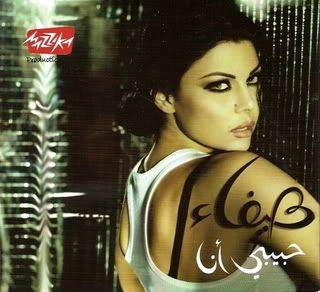
Haifa Wehbe - Habibi Ana

Few artists have had a career as eventful, or achieved so much in such a short period of time, as Haifa Wehbe. In her six-year career, she has released three albums, a mega-hit single (the ubiquitous Boos El Wawa), and gotten her own reality show, as well as keep several tabloids open with rumors and stories of her private life. Three years in the making, Habibi Ana sees a Haifa with a better voice, and a very different style. Haifa's previous albums were made primarily by Lebanese musicians, with even the Egyptian songs usually by Lebanese composers or arrangers. However, with only one Lebanese song on this album (Ayami) and a handful Lebanese musicians (Wissam El Ghazzawi, Yehia El Hassan, Elie Barbar, and Jean-Marie Riachi), Haifa has worked with some of Egypt's best-known modern musicians, including Mohamed Yehia, Amr Mostafa, Tarek Madkour, Mohamed Refai, Tamer Ali, Tamim, Khaled Ezz, and Sherif Tag. The majority of the songs combine more pop and R&B than her previous album, but Haifa still maintains a great Arabic feel to the majority of the songs, whether via percussion, kanun, or strings. With the exception of Tarek Madkour's work (Ya Habibi Ana, Ma Tkallemnish) and Tesmahli, this is the first Haifa album I listened to without skipping every other song. For those who, like me, miss Haifa's more Arabic and upbeat work, like Ragab, Tigi Ezay, and Ma Khadtesh Bali, Haifa doesn't disappoint with Ma T'oulsh Le Had.

Photobucket

1. Ya Habibi Ana
2. Yabn El Halal
3. Ba'd Elli Hasalli
4. Albi Habb
5. Olt Eih
6. Ma T'oulsh Le Had
7. Metakhda
8. Ayami
9. Hat Alaya
10. Tesmahli
11. Khayna
12. Hassa Ma Beinna
13. Ma Tkallemnish
14. Ihsasi Bik
15. Moush Adra Astanna

Download Here
256 Kbps + Covers

Wednesday, August 6, 2008

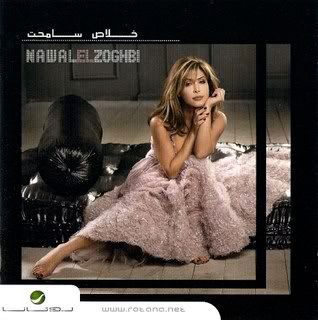
Nawal Al Zoghbi - Khalas Sameht

Nawal's seven-year stint with Alam El Phan/Mazzika ended this year with her return to Rotana, whom she left on bad terms after her 2001 hit, Toul Omri. Rotana PR's slogan spread through the media fast: "نوال و روتانا سوى من جديد" (Nawal and Rotana, together again). Nawal, who produces her albums herself, had her album ready for release soon after and in January 2008, Khalas Sameht was released. Sporting not only a new haircut, but an almost completely different team of musicians, and a new director for her video, Nawal Al Zoghbi's style had changed in almost every aspect. Khalas Sameht, Leih Moushta'alak, and Law Kan were the typical pop that Nawal has gotten us used to, however, in the vein of her previous album, Nawal was sticking with a more Arabic musical style in the rest of the album. Albi Es'alou and Shou Hal Alb employ strong Arabic beats and strings, coupled with electronic beats and motifs, in Hadi Sharara's signature style. El Hawa We Amailou, Tigi Mennak, and Ma Tes'al Alaya are distinctly Egyptian songs, and thoroughly enjoyable. Overall, the album is a younger, and much more enjoyable effort from Nawal Al Zoghbi.

Photobucket

1. Leih Moushta'alak
2. Albi Es'alou
3. Khalas Sameht
4. El Hawa We Amailou
5. Law Kan
6. Tigi Mennak
7. Ma Tes'al Alaya
8. Shou Hal Alb

Download Here
256 Kbps + Covers

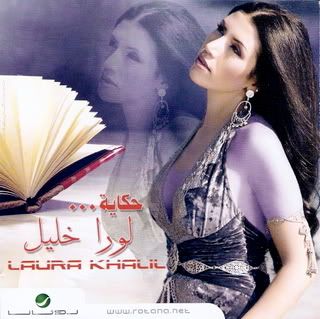
Laura Khalil - Hekayeh

Laura Khalil's soulful and versatile voice allows her to sing everything from Lebanese ballads like Ma Tkhabbi Alayeh and Hekayeh to more Egyptian songs like Ammal Ala Battal and Settin Alf Salama. The album makes no attempt to sound western or poppy, and is refreshing in that way. Composers on the album include Walid Saad, Salim Salameh, and the late Riyad El Hamshari.

Photobucket

1. Ma Tkhabbi Alayeh
2. Haremni Oyounak
3. Bakhaf Ala Za'lak
4. Ammal Ala Battal
5. Hekayeh
6. Bte'telni Haik
7. Settin Alf Salama
8. Hekayeh (Instrumental)

Download Here
256 Kbps + Covers

Yara - Inta Menni

Yara's long-awaited second album is in a completely different direction than her hit debut, Twassa Fiyeh, and understandably so. The only musician on both Twassa Fiyeh and Inta Menni is Yara's producer, Tarek Abou Jaoudeh. The majority of this album is arranged by Jean-Marie Riachi, with one by Tarek Madkour, and another by Ralph Khoury (from The R.E.G. Project). Yara, like Wael Kfoury and Assi Al Hillani, is one of the artists who lost an integral part of their team from Tarek Abou Jaoudeh and Hadi Sharara's highly-publicized fallout. Also, this album has two Lebanese composers, Tarek Abou Jaoudeh and Wissam El Amir. The rest of the songs are by Egyptian composers (Rami Gamal, Mostafa Sabri, Mahmoud Khayami), with two by Khaliji composers (Nasser El Saleh, Ahmed El Hermi), and another by Greek composer Phoebus. In short, expect a completely different album from Yara's first.

Photobucket

1. Jayeh
2. Hessak Einak
3. Inta Menni
4. Alli La'
5. Hawel Marra
6. Bi Gemlet Elli Rah
7. Ma Yhemak
8. Haddi A'sabek
9. Bahlam Bi Ainaik
10. Inta Menni (Remix)

Download Here
256 Kbps + Covers